2026-2027 USAP Field Season
Project Detail Project TitleGlobal Seismographic Network (GSN) at South Pole Station, Palmer Station, and Scott Base Summary
Event Number:
Program Director:
ASC POC/Implementer: Principal Investigator(s)
David Wilson
Project Web Site: Location
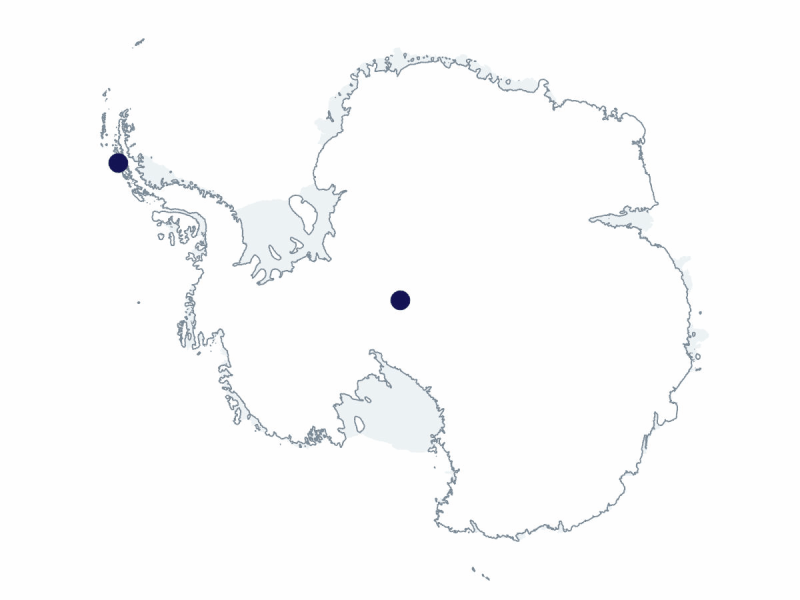
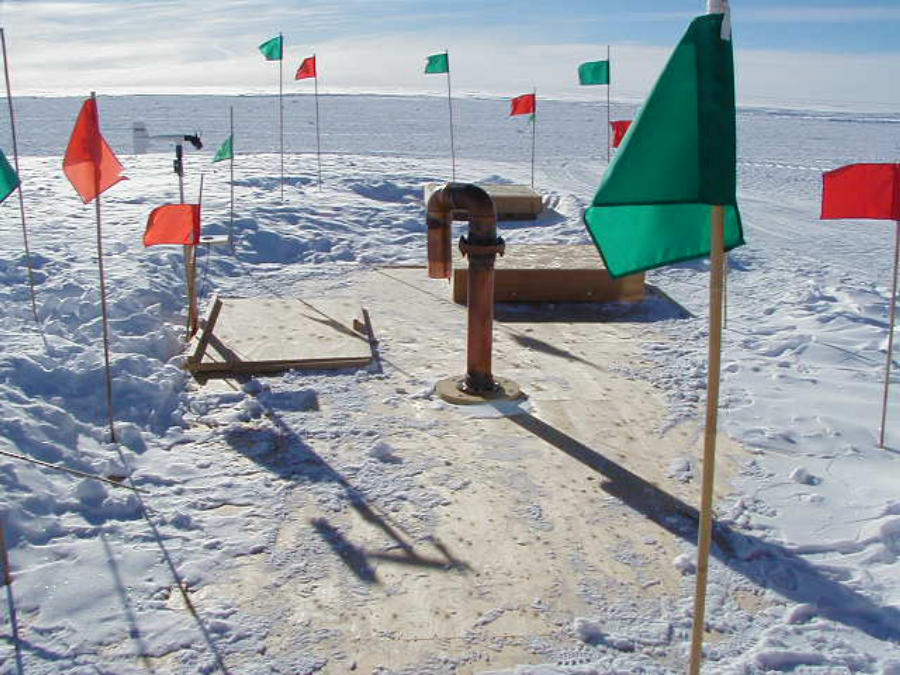
Supporting Stations: Palmer Station, South Pole Station DescriptionThe Global Seismographic Network (GSN) is a worldwide network of about 150 modern seismograph stations. Each station consists of seismometers, recording and communications equipment, and facilities necessary for the operation and security of the equipment; some stations may include ancillary sensors. The GSN is a multi-use facility serving the interests of scientific research, earthquake monitoring and tsunami warning, nuclear explosion monitoring, assessment of earthquake hazards, and education. GSN is a partnership between U.S. Geological Survey (USGS) and U.S. National Science Foundation (NSF). Currently, the USGS supports about two-thirds of GSN stations operated by the USGS Albuquerque Seismological Laboratory (ASL); the NSF Division of Earth Sciences provides funding and oversight for a competitively solicited cooperative agreement that includes operations for about one-third of the GSN; and the NSF Office of Polar Programs provides in-kind support for USGS GSN station operations in Antarctica. The USGS ASL operates four GSN stations in Antarctica: CASY (Casey Antarctica), PMSA (Palmer Station, Antarctica), SBA (Scott Base, Antarctica), and QSPA (South Pole Remote Earth Science Observatory, in the Quiet Zone).
Field Season OverviewResearch associates at South Pole and Palmer Station will support routine monitoring and maintenance of equipment. This will include ensuring equipment is operational, shutdown and restart of software and hardware as needed, and communication with the project's Principal Investigator and other personnel. At South Pole, routine support also includes annual inspection and measurement of cabling and structures of the subsurface expansion vaults and the primary recording vault. In addition, a small amount of cargo will be sent to South Pole this summer to replace critical equipment in the recording vault. |
2026-2027 Science Planning Summary



For USAP Participants |
For The Public |
For Researchers and EducatorsContact UsU.S. National Science FoundationOffice of Polar Programs Geosciences Directorate Randolph Building 401 Dulany Street Alexandria, VA 22314 Sign up for the NSF Office of Polar Programs newsletter and events. Feedback Form |