2026-2027 USAP Field Season
Project Detail Project TitleCollaborative Research: The Drivers and Role of Immigration in the Dynamics of the Largest Population of Weddell Seals in Antarctica Under Changing Conditions Summary
Event Number:
Program Director:
ASC POC/Implementer: Principal Investigator(s)
Dr. Jay Rotella
Project Web Site: Location
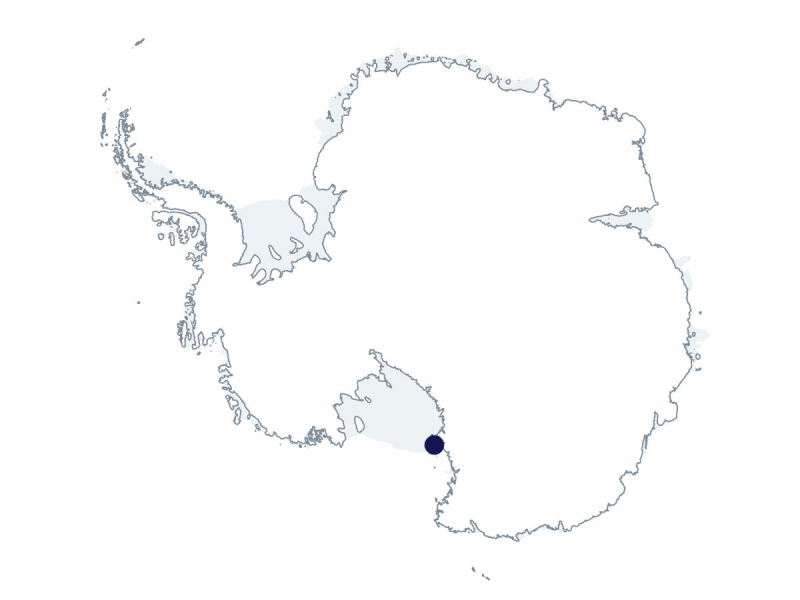
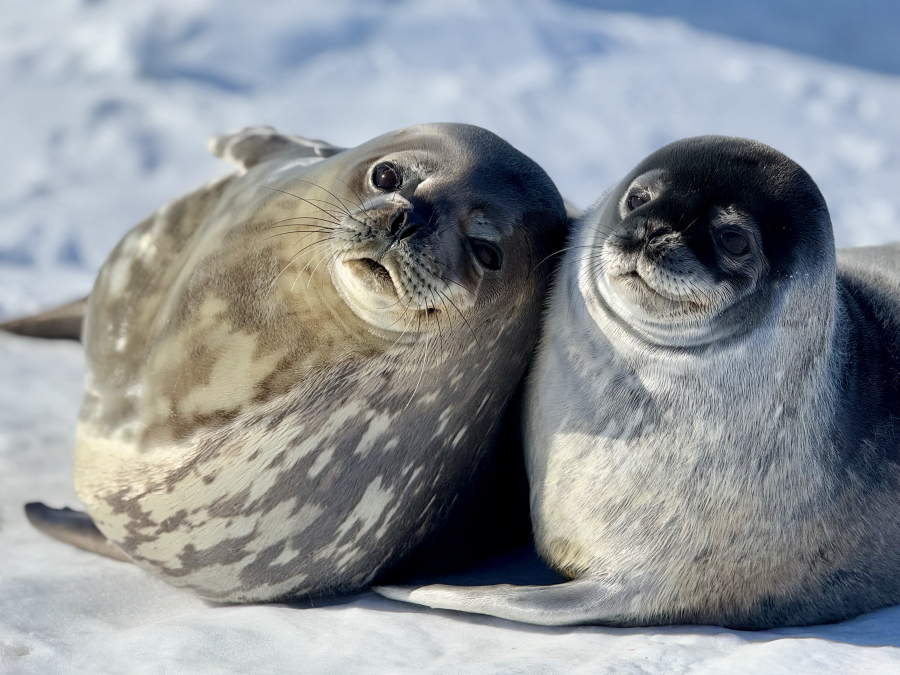
Supporting Stations: McMurdo Station DescriptionThe Weddell seal population in the Ross Sea is the most southerly mammal population in the world and has been intensively monitored since 1978. Over the past 15 years, the team has focused on monitoring both the number of pups produced annually and new immigrants. While continuing the long-term monitoring of the study of the Erebus Bay Weddell seal population, this project will add population modeling and genomic analyses to learn about the environmental factors that influence population dynamics, the geographic origin of immigrants, and immigrants’ role in the local population. The team also has a robust plan for early-career science training and education and outreach activities related to this project. One artist from the Polar STEAM (science, technology, engineering, arts, and math) project will join the science team in the field. Field Season OverviewFor the 2026-27 season, eight McMurdo Station-based participants will deploy from early October to mid-December, focusing on all pupping colonies and haul-outs across Erebus Bay from Cape Evans to Pram Point, at White Island, and at select sites outside of Erebus Bay. These sites include Lewis Bay, Marble Point, and several others to be determined based on seal numbers. The team will visit each Weddell seal colony within Erebus Bay every other day to find and tag newborn pups and associate them with their mothers. Any untagged mothers will be tagged. The team will also conduct six surveys per season throughout the Erebus Bay study area to record the identity of previously tagged individuals, tag unmarked animals, and replace broken or missing tags. They will continue to collect a tissue sample from each of up to 150 locally born mothers and immigrant mothers throughout the study area for subsequent genetic comparisons. The team will not have a field camp in 2026-27. Emergency, portable structures will be placed at Turtle Rock and at Big Razorback Island for safety. One artist from Polar STEAM will join the team in the field. Deploying Team Members
|
2026-2027 Science Planning Summary


For USAP Participants |
For The Public |
For Researchers and EducatorsContact UsU.S. National Science FoundationOffice of Polar Programs Geosciences Directorate Randolph Building 401 Dulany Street Alexandria, VA 22314 Sign up for the NSF Office of Polar Programs newsletter and events. Feedback Form |