2026-2027 USAP Field Season
Project Detail Project TitleCollaborative Research: Fe and Na Lidar Investigations of Geospace-Atmosphere Temperature, Composition, Chemistry, and Dynamics at McMurdo, Antarctica Summary
Event Number:
Program Director:
ASC POC/Implementer: Principal Investigator(s)
Dr. Xinzhao Chu
Location
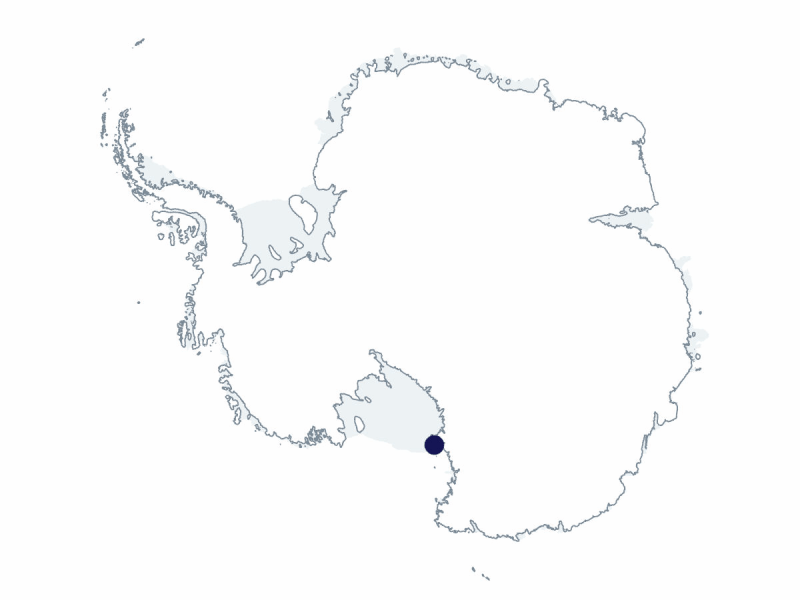
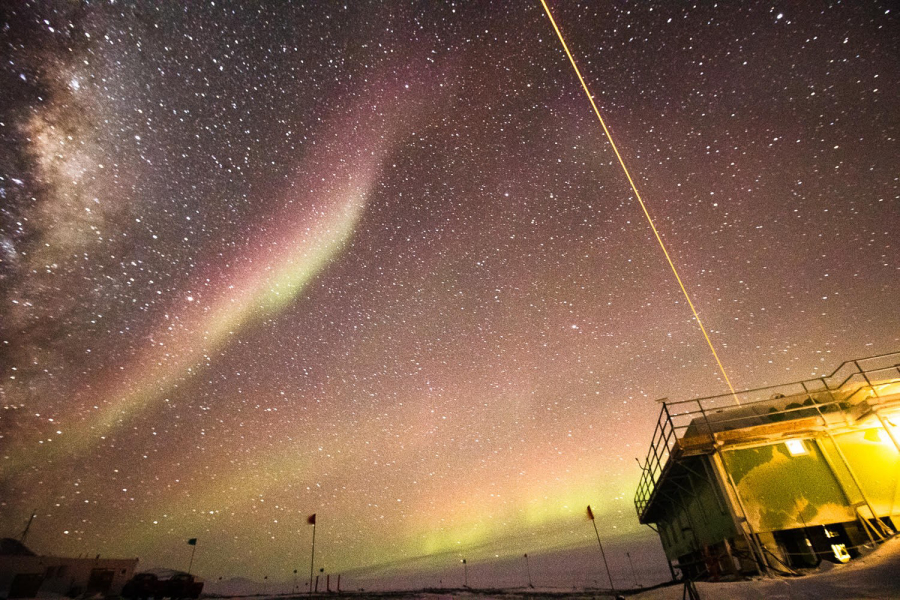
Supporting Stations: McMurdo Station DescriptionResearchers on this project operate two narrow-band, multifrequency lidars at McMurdo Station that can make high-resolution observations of winds and temperatures as well as meteoric metal species in the middle and upper atmosphere. Simultaneous observations by the two instruments — a sodium (Na) Doppler lidar and an iron (Fe) Boltzmann lidar — provide unprecedented levels of detail to characterize atmospheric and space conditions. The instruments have been hosted by Antarctica New Zealand in their Arrival Heights laboratory since late 2010. The observations provide critical data to address key science challenges associated with the space-atmosphere interaction region and, in particular, the sparsely observed high-latitude southern hemisphere. Field Season OverviewFive participants (including two winter-over participants) will deploy to McMurdo Station in 2026-27 to conduct observations with the Na Doppler and Fe Boltzmann lidars. They will upgrade, refurbish, and perform routine maintenance on the instruments and train students who will analyze data and progress toward their graduate degrees. Deploying Team Members
|
2026-2027 Science Planning Summary



For USAP Participants |
For The Public |
For Researchers and EducatorsContact UsU.S. National Science FoundationOffice of Polar Programs Geosciences Directorate Randolph Building 401 Dulany Street Alexandria, VA 22314 Sign up for the NSF Office of Polar Programs newsletter and events. Feedback Form |