2026-2027 USAP Field Season
Project Detail Project TitleFrom Air Sacs to Tissues: Oxygen Transfer and Utilization in Diving Emperor Penguins Summary
Event Number:
Program Director:
ASC POC/Implementer: Principal Investigator(s)
Dr. Paul John Ponganis
Location
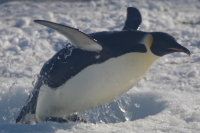
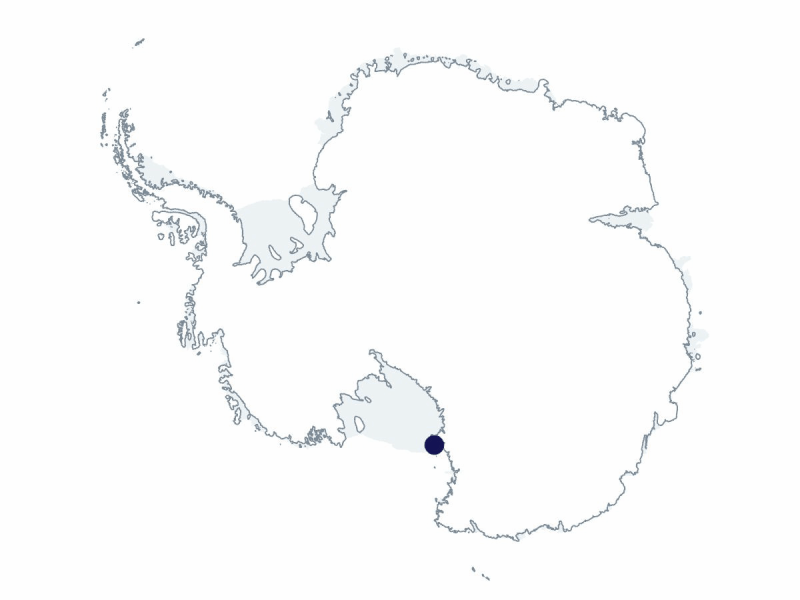
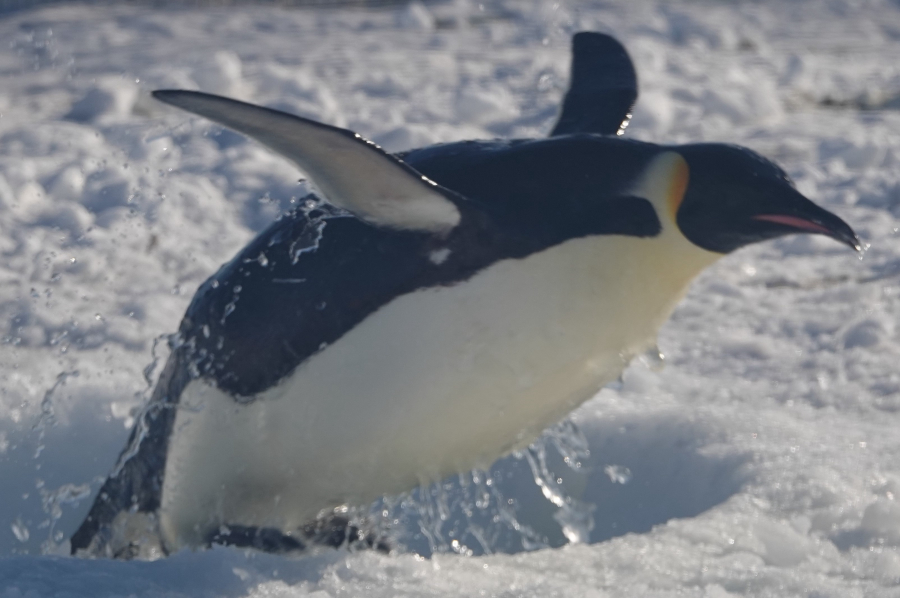
Supporting Stations: McMurdo Station DescriptionDuring exercise, oxygen must be efficiently delivered from the lungs to the working tissues. Birds have a unique respiratory system that includes both air sacs and lungs (called parabronchi) and has a one-way, rather than bidirectional, airflow pattern. This allows a high proportion of the oxygen in inhaled air to be transferred into the blood so that the oxygen can be circulated by the cardiovascular system to the tissues. In diving birds such as the Emperor penguin, air-sac-to-tissue oxygen delivery is essential to dive capacity and is one of the adaptations that allows Emperor penguins to dive deeper than 500 meters. However, the physiological mechanisms underlying the transfer of oxygen from air sacs to blood and the subsequent distribution of oxygen to tissues are poorly understood. The Emperor penguin is ideal for investigating this oxygen cascade because of its body size, its dive capacity, and the physiological database and established research techniques and protocols for this species. This study should provide insight into (1) mechanisms underlying the efficiency of the bird oxygen transport system; (2) the physiological basis of penguins’ dive behavior and ability to adapt to environmental change; and (3) perhaps even the design of better therapeutic strategies and tools for treatment of human respiratory disease. Field Season OverviewSix participants will deploy to McMurdo Station from early October to mid-December 2026. They will set up a field camp on the sea ice of McMurdo Sound to work with temporarily captive Emperor penguins. Isolated holes will be drilled in the ice at the camp and encircled by snow and corral fencing. Participants will capture Emperor penguins and bring them to the camp, where they will be outfitted with internal sensors. Birds will be allowed to dive and forage freely for 3 days at the hole before the instruments are recovered. The birds will be released from the camp (if the ice edge is near) or returned to their original capture site at the end of the season. The sea ice camp will consist of three to four huts with electrical power and wireless connectivity, a hybrid power sled, a Weatherhaven tent with heating for anesthesia, and personal tents for the participants. Deploying Team Members
|
2026-2027 Science Planning Summary


For USAP Participants |
For The Public |
For Researchers and EducatorsContact UsU.S. National Science FoundationOffice of Polar Programs Geosciences Directorate Randolph Building 401 Dulany Street Alexandria, VA 22314 Sign up for the NSF Office of Polar Programs newsletter and events. Feedback Form |