2026-2027 USAP Field Season
Project Detail Project TitlePAL-LTER: Ecological Response to "Press-Pulse" Disturbances Along a Rapidly Changing West Antarctic Peninsula Summary
Event Number:
Program Director:
ASC POC/Implementer: Principal Investigator(s)
Dr. Ari Seth Friedlaender
Project Web Site: Location
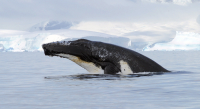
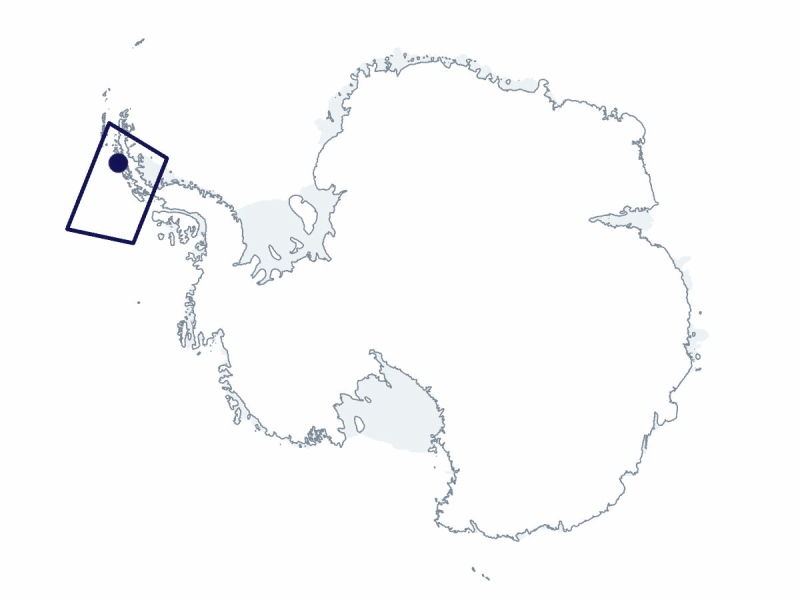
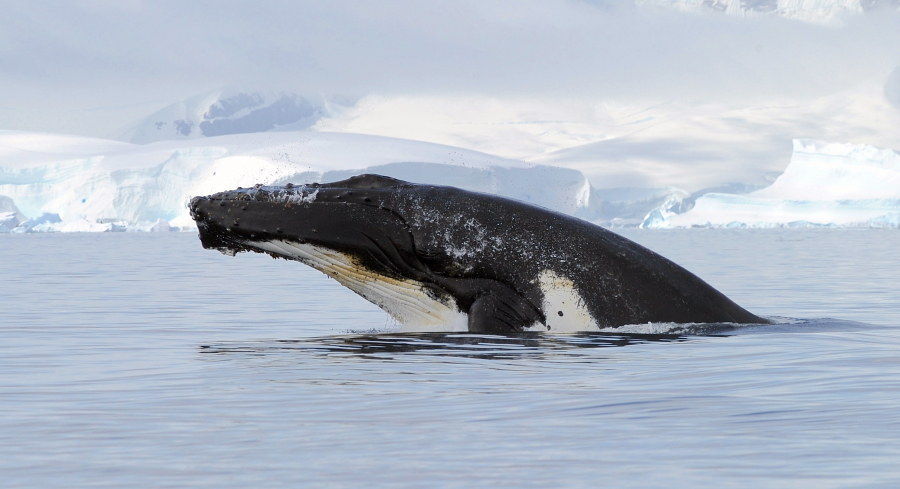
Supporting Stations: Palmer Station DescriptionSeasonal sea ice-influenced marine ecosystems at both poles are characterized by high productivity concentrated in space and time by local, regional, and remote physical forcing. These polar ecosystems are among the most rapidly changing on Earth. The Palmer Long-Term Ecological Research (PAL-LTER) seeks to build on three decades of research along the West Antarctic Peninsula to gain new mechanistic and predictive understanding of ecosystem changes in response to disturbances spanning long-term, subdecadal, and higher frequency “pulses” driven by a range of processes, including long-term natural variability and storms. These disturbances alter food web composition and ecological interactions across temporal and spatial scales that are not well understood. Researchers will contribute fundamental understanding of how population dynamics and biogeochemical processes are responding within a polar marine ecosystem undergoing profound change. Field Season OverviewThe science team will deploy two participants to Palmer Station for the 2026-27 austral summer. Field operations will focus on multidisciplinary research to study the behavior, ecology, distribution, and abundance of marine mammals in the waters around the station. Researchers will routinely conduct visual surveys, collect photogrammetric images of whales, collect remote biopsy samples using crossbows, and deploy motion-sensing and video-recording suction cup tags to whales. Additionally, the science team will be working collaboratively with other Long-Term Ecological Research (LTER) groups to accomplish shared goals. Deploying Team Members
|
2026-2027 Science Planning Summary


For USAP Participants |
For The Public |
For Researchers and EducatorsContact UsU.S. National Science FoundationOffice of Polar Programs Geosciences Directorate Randolph Building 401 Dulany Street Alexandria, VA 22314 Sign up for the NSF Office of Polar Programs newsletter and events. Feedback Form |