2026-2027 USAP Field Season
Project Detail Project TitleCollaborative Research: Holocene and Late Pleistocene Stream Deposition in the McMurdo Dry Valleys, Antarctica as a Proxy for Glacial Meltwater and Paleoclimate Summary
Event Number:
Program Director:
ASC POC/Implementer: Principal Investigator(s)
Dr. Kate Swanger
Location
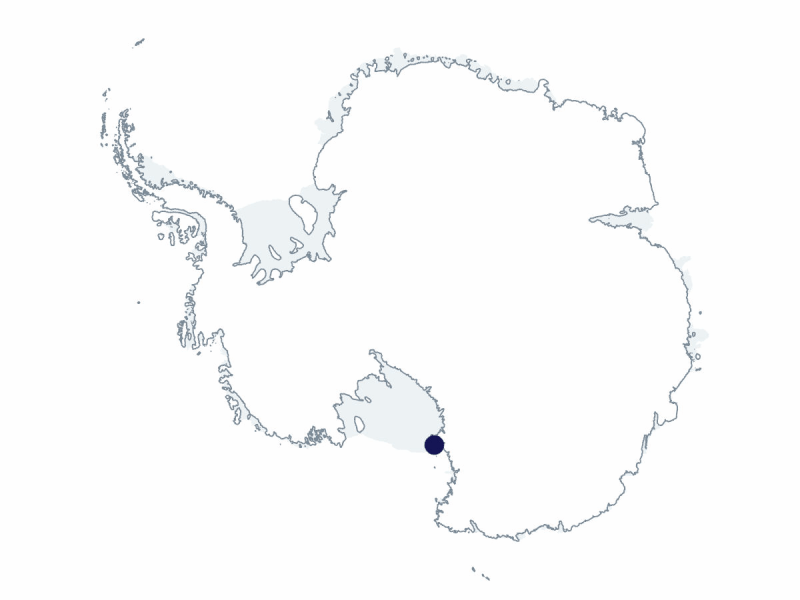
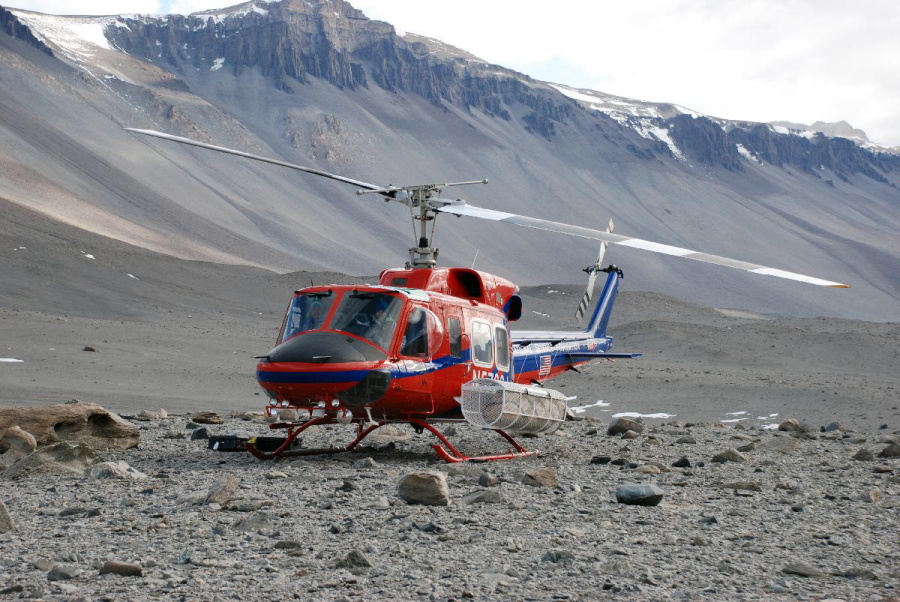
Supporting Stations: McMurdo Station DescriptionThe McMurdo Dry Valleys are the largest ice-free region in Antarctica and home to a seasonally active hydrologic system, with streams and saline lakes. Streams are fed by summer meltwater from local glaciers and snowbanks. Therefore, streamflow is tied to summer climatic conditions such as air temperatures, ground temperatures, winds, and incoming solar radiation. Based on 50 years of monitoring, summer stream activity has been observed to change, and it likely varied during the geologic past in response to regional dynamics and fluctuating glaciers. Thus, deposits from these streams can address questions about past environments, meltwater, and lake level changes in this region (e.g., how meltwater streamflow responded to past environments, how streamflow varied glacial advances and retreats, and when and to what extent large lakes filled certain valleys). The researchers plan to acquire a record of stream activity for the Dry Valleys that will span the three largest valleys and a period of about 100,000 years. This record will come from a series of active and ancient alluvial fans that streams deposited as they flowed from valley sidewalls onto valley floors. The study will provide a long-term context to assess recent observed changes to stream activity and lake levels. Two women, mid-career investigators will lead the investigation, which will contribute to graduate and undergraduate education by including students in both field and laboratory research and incorporating data and results into the classroom. Field Season OverviewThe 2026-27 field season will be the second of two for this project. Three participants will deploy from early December to late January to conduct helicopter-supported field work at two consecutive tent camps in Victoria Valley and Wright Valley. The team will be based at its tent camps for 3 weeks and take several day trips to other locations in Taylor and Wright valleys. Work will focus on collecting sediment and rock samples for dating, geochemical analyses, stratigraphy, and provenance studies. Upon return from the field, the team will organize samples for shipment to their home institution. Deploying Team Members
|
2026-2027 Science Planning Summary


For USAP Participants |
For The Public |
For Researchers and EducatorsContact UsU.S. National Science FoundationOffice of Polar Programs Geosciences Directorate Randolph Building 401 Dulany Street Alexandria, VA 22314 Sign up for the NSF Office of Polar Programs newsletter and events. Feedback Form |