2026-2027 USAP Field Season
Project Detail Project TitleCollaborative Research: RAPID: Catalyzing a Joint US-NZ Spectral Repository of Antarctic Photoautotrophs in the Face of Ongoing Environmental Shifts Summary
Event Number:
Program Director:
ASC POC/Implementer: Principal Investigator(s)
Dr. Mark Robert Salvatore
Location
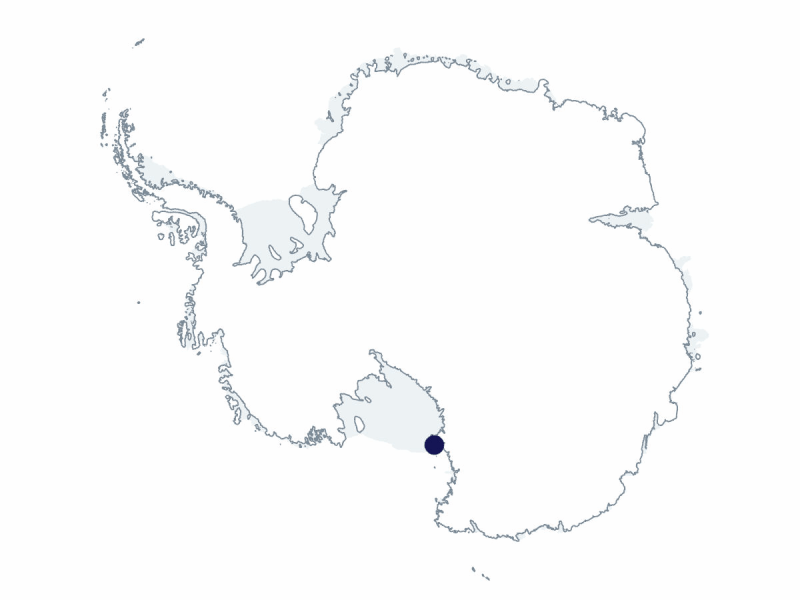
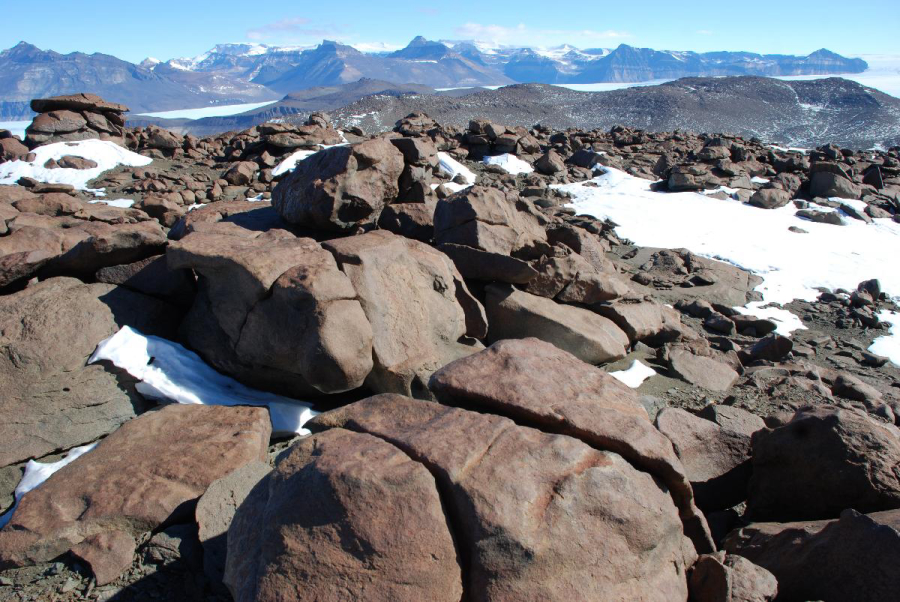
Supporting Stations: McMurdo Station DescriptionThis project will generate a comprehensive database linking the biogeochemical properties of Antarctic land-based ecosystems in the McMurdo Dry Valleys to their spectroscopic properties that can be detected by drones, aircraft, and satellites. The multi-technique, multi-scale approach of this project will enable scaling from local observations to landscape-level patterns and will create a standardized monitoring framework compatible with global observation networks such as the National Ecological Observatory Network (NEON), ensuring interoperability and long-term scientific value. The urgency of this work is driven by its alignment with the Catalyst Strategic New Zealand - United States Joint Antarctic Research Programme, which creates a unique and time-critical opportunity for collaboration between two nations at the forefront of Antarctic research. This opportunity addresses the immediate need to synchronize methodologies, share infrastructure, and initiate joint data collection. The Catalyst program is structured to accelerate integration of US and New Zealand capabilities, reduce duplication, and establish a foundation for sustained monitoring of terrestrial ecosystems. This project also contributes to the training of an undergraduate student in the development of cutting-edge drone operations and spectroscopy skills. Field Season OverviewThis is a collaborative event between the United States Antarctic Program (USAP) and Antarctica New Zealand (AntNZ), with AntNZ providing most on-continent support. The science team plans to develop the first integrated spectral, ecological, and biochemical database of Antarctic photoautotrophs in the McMurdo Dry Valleys and surrounding Ross Sea region. The team will consist of three USAP and one AntNZ participant and will deploy to Scott Base in mid-December 2026. Following field preparations, the team will put in to a tent camp at Pyramid Trough for approximately 17 days. Upon completion of work there, the team will move to USAP's fixed camp at Lake Fryxell for 11 days then return to Scott Base and redeploy in mid-January 2027. Field work will include simultaneous aerial hyperspectral surveys, field spectroscopy, and sampling for subsequent biogeochemical and genetic analysis and will include flying an uncrewed aerial system. Deploying Team Members
|
2026-2027 Science Planning Summary


For USAP Participants |
For The Public |
For Researchers and EducatorsContact UsU.S. National Science FoundationOffice of Polar Programs Geosciences Directorate Randolph Building 401 Dulany Street Alexandria, VA 22314 Sign up for the NSF Office of Polar Programs newsletter and events. Feedback Form |