2026-2027 USAP Field Season
Project Detail Project TitleCollaborative Research: RAPID: Drivers and Implications of Recent Rapid Sea Ice Decline in the Ross Sea Summary
Event Number:
Program Director:
ASC POC/Implementer: Principal Investigator(s)
Dr. Edward Maksym
Location
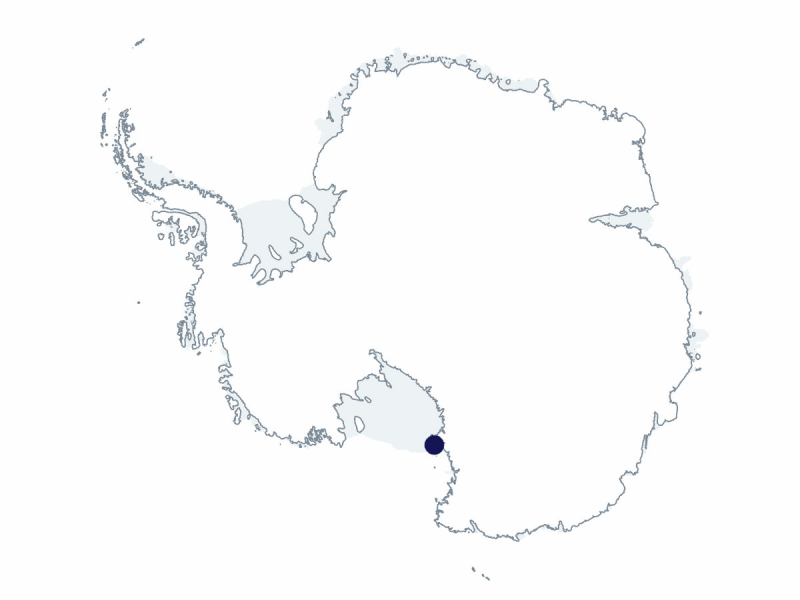
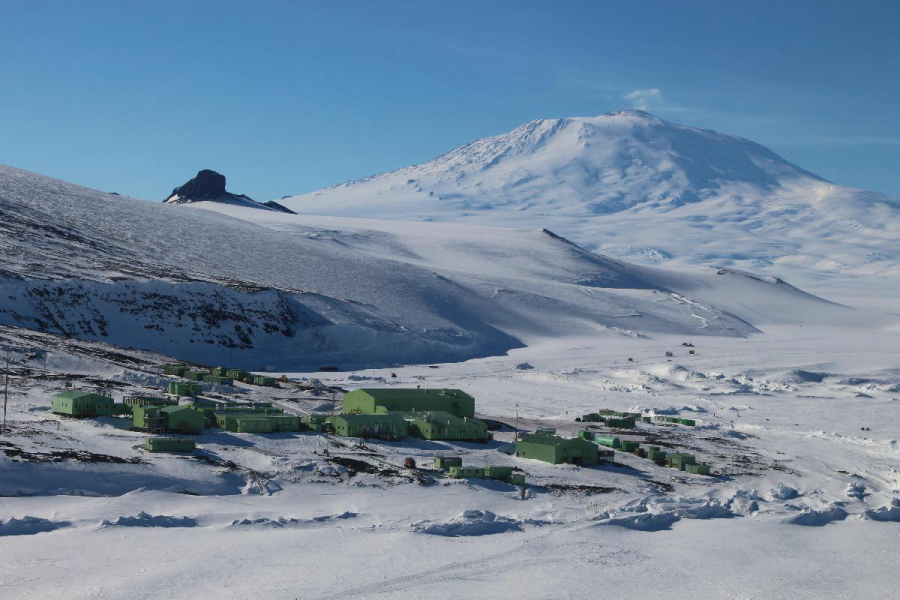
Supporting Stations: McMurdo Station DescriptionAntarctic sea ice extent has exhibited extreme recent variability, with a modest long-term increase in extent until an abrupt decline in 2016, leading to record lows in 2023. These changes in sea ice extent are likely closely related to changes in ice thickness. The causes of this recent variability and its implications have been identified as a key theme for the international research effort “Antarctica InSync.” This project will (1) evaluate advanced and emerging technology that could contribute to an observational network capable of capturing key processes across the Ross Sea; (2) improve and evaluate both satellite and model products with in situ observations; and (3) develop a combined modelling, satellite, and in situ observational strategy to understand these processes. This project is centered on capability development through an evaluation of techniques in the McMurdo Station region, leveraging existing programs and logistics to address the complex coupled role of various atmosphere-ice-ocean processes in driving sea ice variability. This work represents the US component of one project in the strategic collaboration between the National Science Foundation and Antarctica New Zealand (AntNZ). Field Season OverviewIn 2026-27, three US-based participants will deploy through the United States Antarctic Program, which will provide cargo support, samples movement, and extreme cold weather gear. All field work will be supported by AntNZ logistics at Scott Base (SB). SB staff will install and maintain a US automated weather station (shipped during Winter Flight) and recover and store it at McMurdo Station. Ice buoys will be tested and deployed alongside a New Zealand ice buoy on fast ice near SB (deployed over ice via Hägglunds vehicle or by helicopter). The buoys may be recovered, or one or more may be left for the ice season to drift out of the Ross Sea. LASSITOS-EM, an airborne electromagnetic sounder, will be tested by kite/aerostat. Daily trips will be made on the McMurdo Sound sea ice approximately from deployment day 9 to day 16, to test and service buoys and LASSITOS-EM. Ice-coring at test sites will take place the day before asset recovery. Field work is anticipated for up to 21 days, starting in mid to late October 2026. Deploying Team Members
|
2026-2027 Science Planning Summary



For USAP Participants |
For The Public |
For Researchers and EducatorsContact UsU.S. National Science FoundationOffice of Polar Programs Geosciences Directorate Randolph Building 401 Dulany Street Alexandria, VA 22314 Sign up for the NSF Office of Polar Programs newsletter and events. Feedback Form |