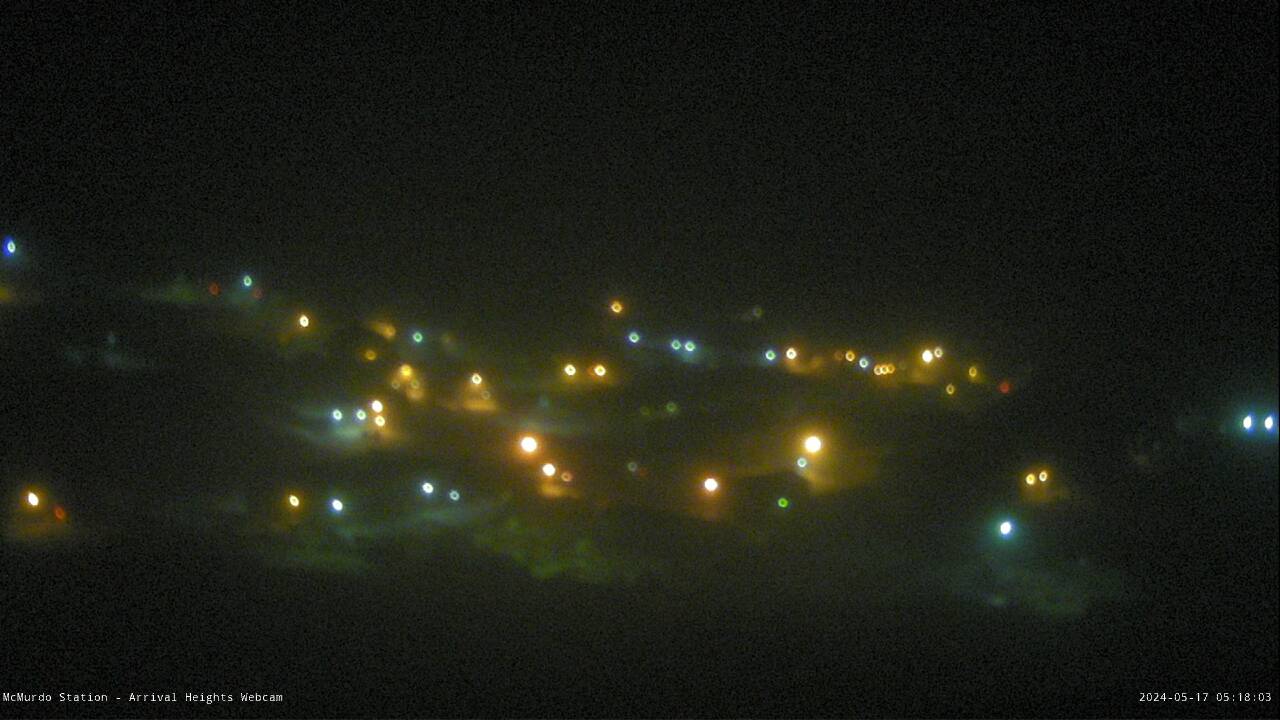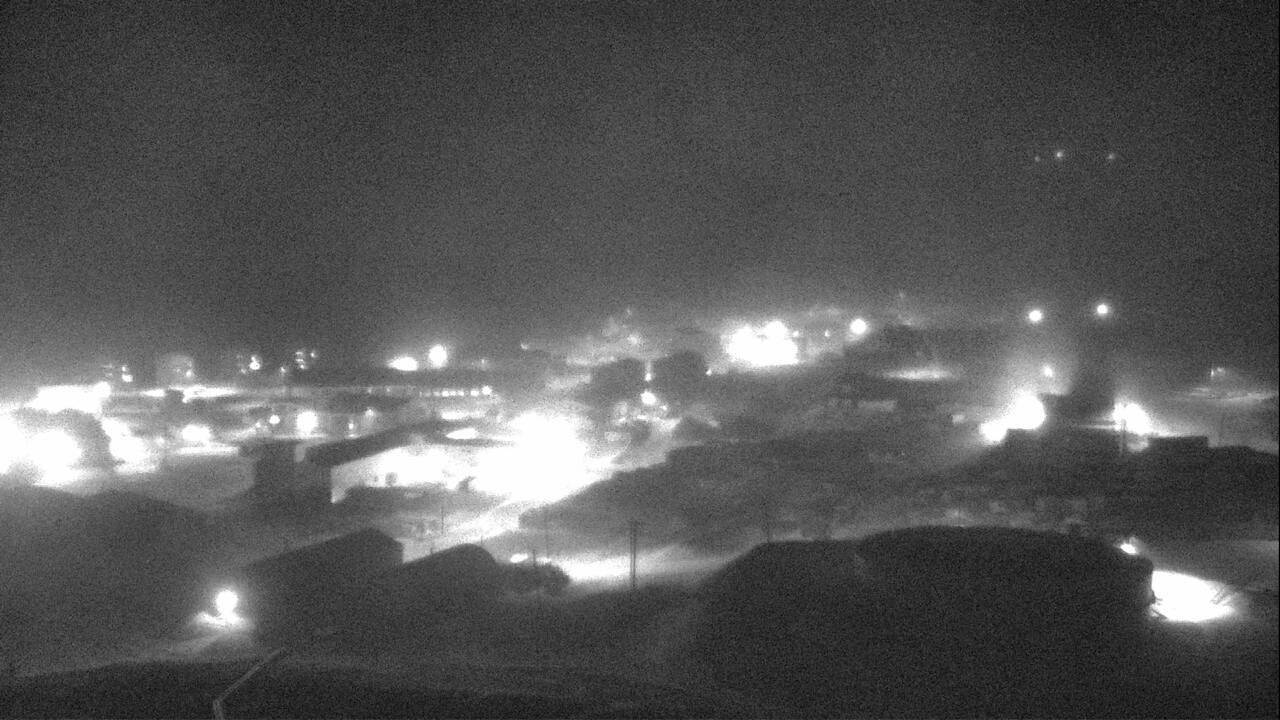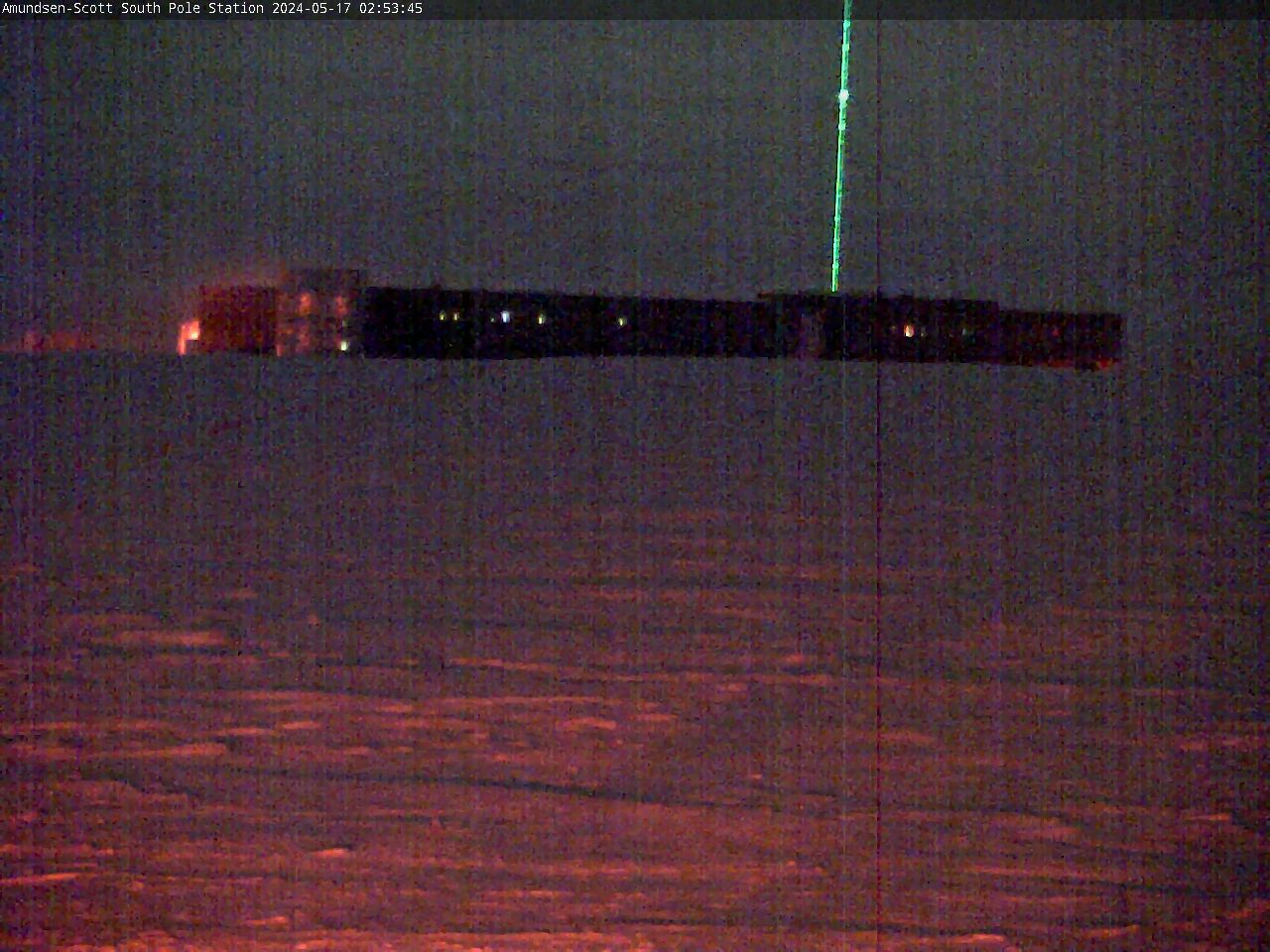
Image of Antarctica showing the locations of the three major U.S. Antarctic Stations

Welcome to the United States Antarctic Program (USAP) web portal.

Funded by the U.S. Government's National Science Foundation (NSF) External U.S. Government Site, the United States Antarctic Program (USAP) supports scientific research in Antarctica and the Southern Ocean. The USAP carries forward the Nation's goal of supporting the Antarctic Treaty, fostering cooperative research with other nations, protecting the Antarctic environment, and conserving living resources.

The NSF manages the program under guidance of a Presidential memorandum that directs an "active and influential presence in Antarctica designed to support the range of U.S. Antarctic interests."

Since 1956 Americans have been studying Antarctica and its interactions with the rest of the planet. Research disciplines include glaciology, biology and medicine, geology and geophysics, oceanography, climate studies, astronomy, and astrophysics. Contractors and units of the military provide operational support.

Announcements
 The International Polar Year (IPY) 2007-2008 Logo

NSF and National Academy of Sciences Celebrate Early IPY Results at Public Event on April 6
On Monday, April 6, 2009 the National Academy of Sciences (NAS) and the National Science Foundation (NSF) hosted a celebration of early IPY accomplishments ... Read More External U.S. Government Site

View Videos of the Celebration External U.S. Government Site

Jennifer Mercer, left, and Wiesje Mooiweer prepare ozonesondes for a balloon flight in the Crary Science and Engineering Center at McMurdo Station.

ARRA Funds Available For NSF Research Infrastructure and Instrumentation Programs
The NSF will use American Recovery and Reinvestment Act funds for two special opportunities: the ARI-R2 and MRI-R2 programs ... Read More

USAP participant Nick Powell stands next to a communications satellite dish at South Pole Station.

USAP Email Address Format Changing
The format of USAP email addresses for USAP participants is changing ... Read More

Dr. Robin Bell shows data collected at the Antarctic Gamburtsev Province (AGAP) field camp

Ice Stories
For the International Polar YearExternal U.S. Government Site, scientists were given cameras and blogging tools and asked to document their field work. Web cam interviews and video stories show what it’s like for a scientist to conduct research in Antarctica ... Ice Stories Web Site External Non-U.S. Government Site

U.S. South Pole Station

South Pole Station Special Report
Perhaps the world's most remote research environment, the South Pole is a unique scientific laboratory, and the South Pole Special Report captures the ongoing research efforts there ... Read More External U.S. Government Site

The 4-meter South Pole TDRSS Relay Antenna.

Improved Data Communications for South Pole Science
New science data communications capability enables the NSF to share exciting results of its science programs with the public …
Read More

Blood Falls

Unusual Antarctic Microbes Live Life on a Previously Unsuspected Edge
Briny liquid buried under an Antarctic glacier appears to support unusual microbial life in a place where cold, darkness and lack of oxygen would previously have led scientists to believe nothing could survive ... 
Read More External U.S. Government Site

Auroras

Autonomous Antarctic Observatories Gather Space Weather Data
An international scientific consortium has developed autonomous observatories in Antarctica that for the first time provide critical year-round "space weather" data from the Earth's harshest environment ...
Read More External U.S. Government Site

Drill rods await use just outside the ANDRILL facility on the ross Sea Ice Shelf.

New Evidence From NSF-funded ANDRILL Demonstrates Climate Warming Affects Antarctic Ice Sheet Stability
A five-nation scientific team has published new evidence that even a slight rise in atmospheric concentrations of carbon dioxide, one of the gases that drives global warming, affects the stability of the West Antarctic Ice Sheet (WAIS) ...
Read More External U.S. Government Site

The South Pole Traverse team fills an open crevasse in what is called the shear zone, an area with hundreds of crevasses.

Antarctic Photo LibraryExternal U.S. Government Site

Photo of the Week:
The South Pole Traverse team fills an open crevasse in what is called the 'shear zone,' an area with hundreds of crevasses.

Read the Antarctic Sun

The Antarctic Sun Newspaper External U.S. Government Site

Why do people go to Antarctica, and what do they do there? Read the USAP's newspaper to find out about U.S. Antarctic communities ...

National Science Foundation, Office of Polar Programs External U.S. Government Site
Find out about The Office of Polar Programs' (OPP) operational support in the Antarctic, and how it manages and initiates National Science Foundation funding for basic research ...


Click to go to the National Science Foundation's website USAP.gov is the U.S. Government’s official web portal for the U.S. Antarctic Program, which is managed by the National Science Foundation's Office of Polar Programs - 4201 Wilson Boulevard, Suite 755 Arlington, VA 22230 Site Curator: Webmaster, Raytheon Polar Services Company
NSF Site Point of Contact: Patrick Smith, Office of Polar Programs
Last Updated: October 6, 2005
Contact Information